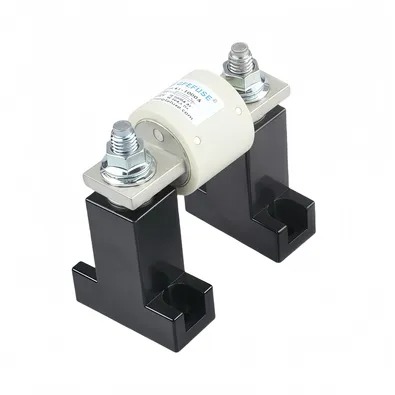
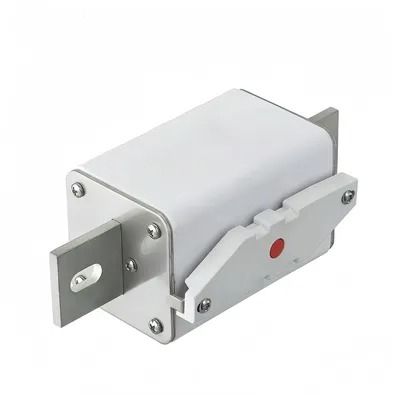
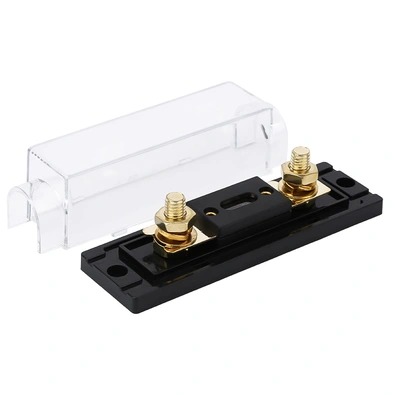
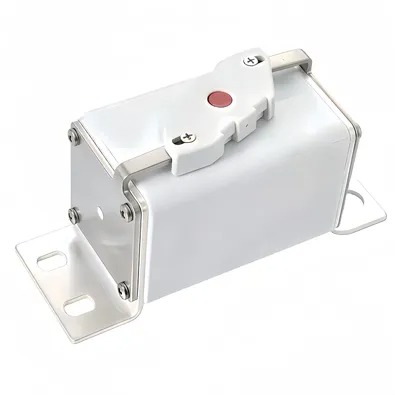
لدينا فريق محترف متخصص في تصميم وتصنيع أجهزة الحماية.
100%
رضا العملاء
5ك +
خبرة الصناعة
لدينا عقود من الخبرة في حلول حماية الدوائر لمختلف المجالات.
متميز
منتجاتنا
نواصل تحسين تقنيتنا وقدرتنا التنافسية في السوق. سنستمر في إدخال التكنولوجيا ، واتخاذ الجودة كأساس ، وأخذ طلب العملاء كدليل ، وتحسين أداء وجودة المنتجات ، والاستمرار في تلبية احتياجات العملاء ، وتزويد العملاء بحلول شاملة لأجهزة الحماية


عن
ملف الشركة

20+
موظفون خبراء
100+
الشهادات

لطالما التزمت GFEFUSE® بالابتكار المستمر ، ودمج تصميم وتطوير وإنتاج وبيع أجهزة الحماية الكهربائية.
نوع المنتج وتطبيق البحث والتطوير
نحن نطور باستمرار منتجات متنوعة لتلبية احتياجات السوق ، والتي تغطي مجموعة واسعة من مجالات التطبيق من الطاقة الجديدة إلى الإلكترونيات الاستهلاكية.
الوصول إلى الصناعة
نحن نوسع نفوذنا بنشاط ، ونقدم حلولا موثوقة عبر مختلف الصناعات من إلكترونيات السيارات إلى الاتصالات.
دونغقوان جونغفو للإلكترونيات
تطبيق
يتم تطبيق أجهزة حماية الدائرة الخاصة بنا على نطاق واسع في قطاعات متنوعة ، مما يحمي الأنظمة والمعدات الحيوية.
مركبات الطاقة الجديدة
تستخدم لحماية دوائر الجهد العالي وأنظمة إدارة البطاريات ، مما يضمن سلامة السيارة وموثوقيتها.
أكوام شحن البطارية
ضروري لمنع أخطاء الدائرة الزائدة الحالية والقصيرة ، مما يعزز استقرار عمليات الشحن.
تخزين الطاقة
ضروري لحماية أنظمة تخزين الطاقة من المخاطر الكهربائية ، وتحسين أداء النظام.
مصادر الطاقة
مدمجة في وحدات إمداد الطاقة لمنع الأحمال الزائدة وارتفاع الجهد ، مما يضمن انبعاث طاقة مستقر.


شهادتنا
شرف
إنجازات الصناعة
الشهادات
2024
في عام 2024 ، سيتم منحها وحدة العضو المفضلة في صناعة الصمامات وأفضل 10 علامات تجارية لصناعة الصمامات في الصين
2021
في عام 2021 ، حصل الصمامات الكهروضوئية الجديدة للطاقة على شهادة السلامة TUV mark (أوروبا).
2019
في عام 2019 ، فازت بأفضل 10 علامات تجارية ومنتجات في صناعة الصمامات ، وحصلت على شهادة السلامة UL (الولايات المتحدة) cULus (كندا)
2018
في عام 2018 ، حصل المنتج على شهادة السلامة CQC (الصين) TUV mar (أوروبا) ، وشهادة منتج CE (أوروبا) وتقرير توجيه ROHS REACH EU


أخبارنا
خبر
نواصل تحسين تقنيتنا وقدرتنا التنافسية في السوق. سنستمر في إدخال التكنولوجيا ، واتخاذ الجودة كأساس ، والتركيز على العملاء لتحسين أداء المنتج وجودته ، وتلبية احتياجات العملاء باستمرار ، وتزويد العملاء بحلول شاملة لأجهزة الحماية.


رمز الرسم (كما هو موضح أدناه) ورمز النص للفتيل هما: FU
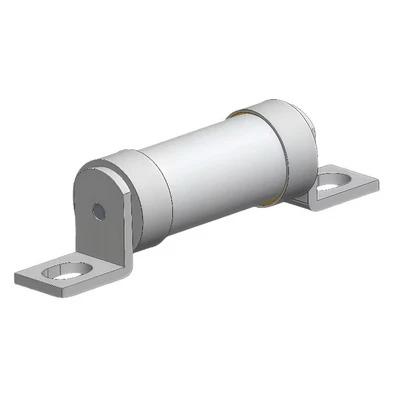
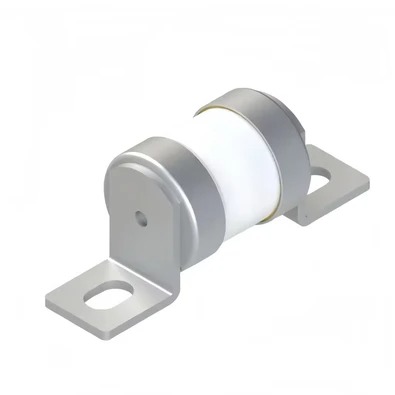
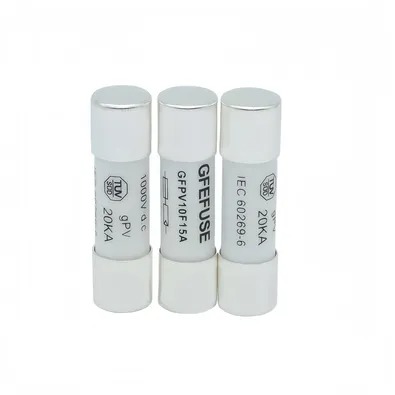
المصهر هو جهاز كهربائي يستخدم الحرارة المتولدة من تلقاء نفسه لإذابة المصهر وفصل الدائرة عندما يتجاوز التيار القيمة المحددة. المصهر هو واقي تيار مصنوع على أساس مبدأ أنه بعد أن يتجاوز التيار القيمة المحددة لفترة من الوقت ، فإن الحرارة المتولدة من تلقاء نفسها تتسبب في تسخين المصهر ، وبالتالي فصل الدائرة. تستخدم الصمامات على نطاق واسع في أنظمة توزيع الطاقة ذات الجهد العالي والمنخفض وأنظمة التحكم وكذلك المعدات الكهربائية. كواقي من ماس كهربائى والتيار الزائد ، فهو أحد أكثر أجهزة الحماية شيوعا.
+


تعلن شركة Dongguan Gongfu Electronics Co.، LTD. عن الطلبات المسبقة لمنتجات متعددة:
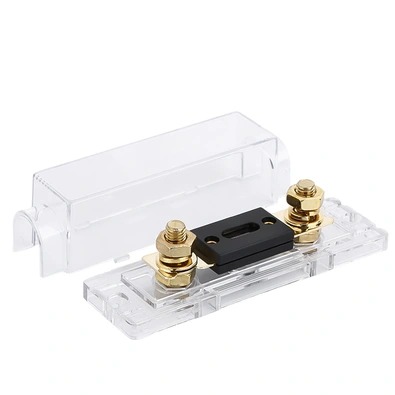
فتيل H10F (50A-750VAC / 32A-1000VDC) مع حاملات الصمامات المثبتة على اللوحة.
حامل فتيل السيارات GFC41F (40 أمبير / 58 فولت ، حجم صغير جدا) متاح للطلب المسبق اعتبارا من أواخر سبتمبر.
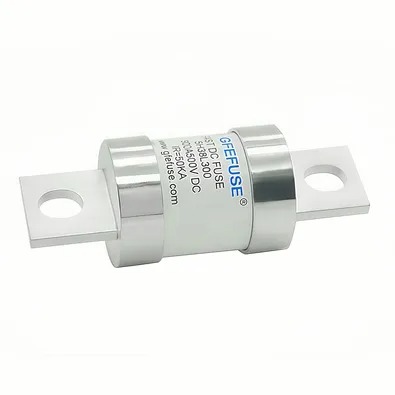
الصمامات السريعة ذات الجهد العالي / المنخفض DC (125V-1500V ، 10A-500A ، 20KA gR من النوع) ، بما في ذلك 2H38L (200A-500A / 250V-300V ، 10KA) و 1H20L (70A-300A / 125V-150V ، 20KA) ، مفتوحة الآن للحجز.
+


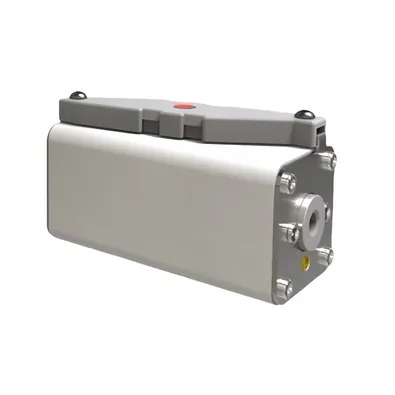
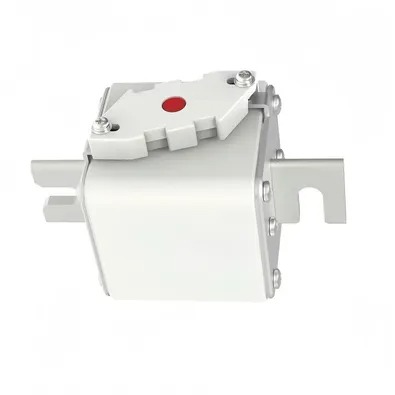
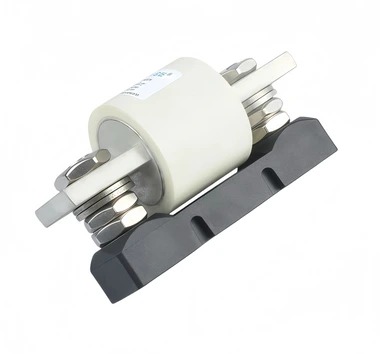
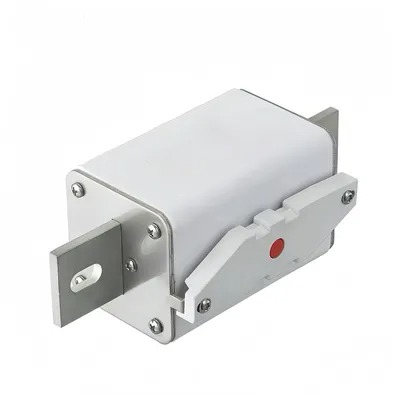
تعلن شركة Gongfu Electronics عن الإطلاق المرتقب لسلسلة الصمامات السريعة H105F (1A-6A ، 1500V DC ، 20KA / 50KA AC). متخصصة في تطوير وتصنيع مكونات حماية الدوائر - بما في ذلك صمامات شفرات السيارات ، والحوامل ، وصمامات مسامير الشوكة ، وصناديق الصمامات ، وصمامات التيار المستمر عالية الجهد - توفر الشركة حماية آمنة وموثوقة وحلولا شاملة لمنتجات العملاء.
+
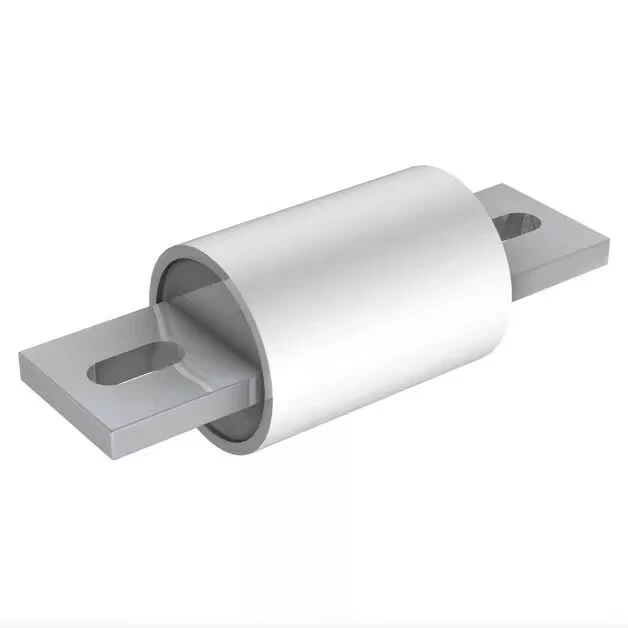
Ask most buyers what they need from a semiconductor fuse and the answer comes back as two numbers: rated current and rated voltage. Both matter, but neither is the number that decides whether an IGBT survives a fault. That number is I2t — the energy let through by the device before it clears, expressed in ampere-squared seconds.
+
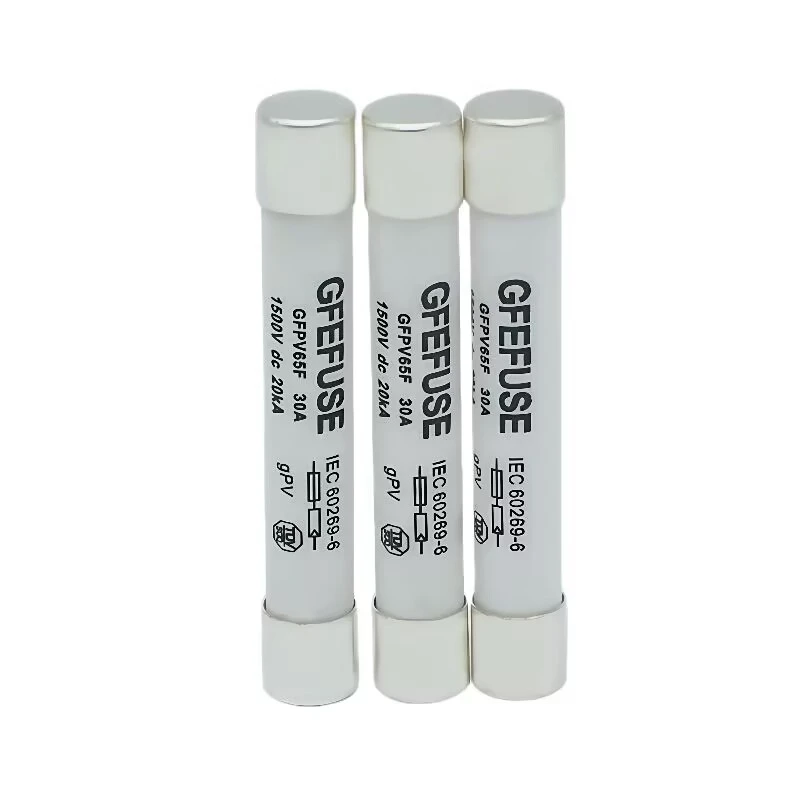
There is a pattern in solar O and M that every experienced technician recognises. An array runs perfectly for two or three years, then one summer a handful of protective devices start opening, or a combiner box inspection finds discoloured bodies with no fault anywhere in the system.
+
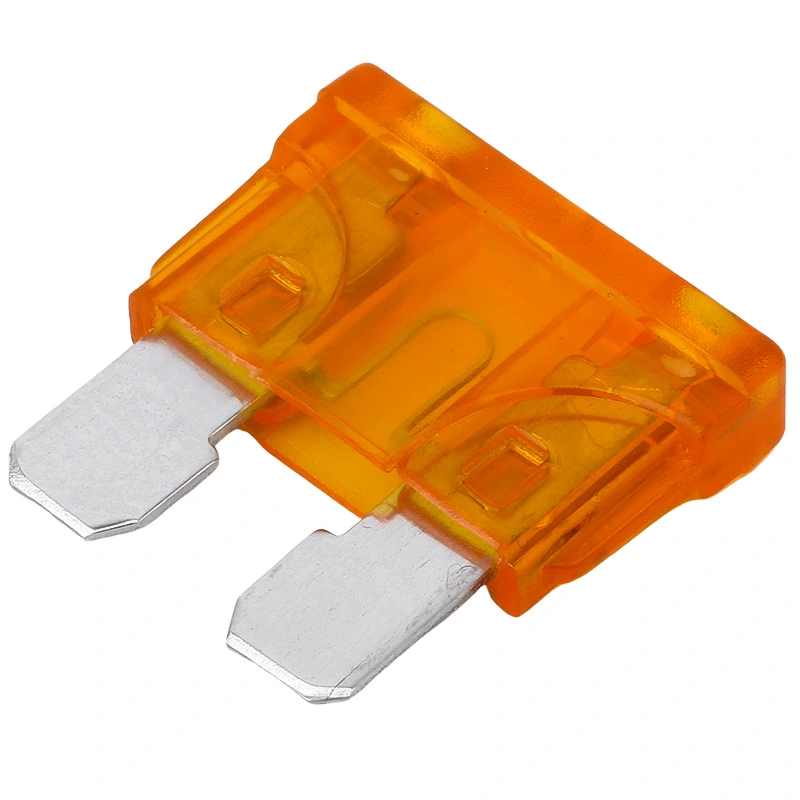
A blade fuse that opens once is doing its job. The same one opening every few weeks, always in the same position, is telling you that the circuit has a problem nobody has found yet. Replacing it fixes nothing, and fitting a higher rating — the most common response — turns a nuisance into a wiring fire risk.
+
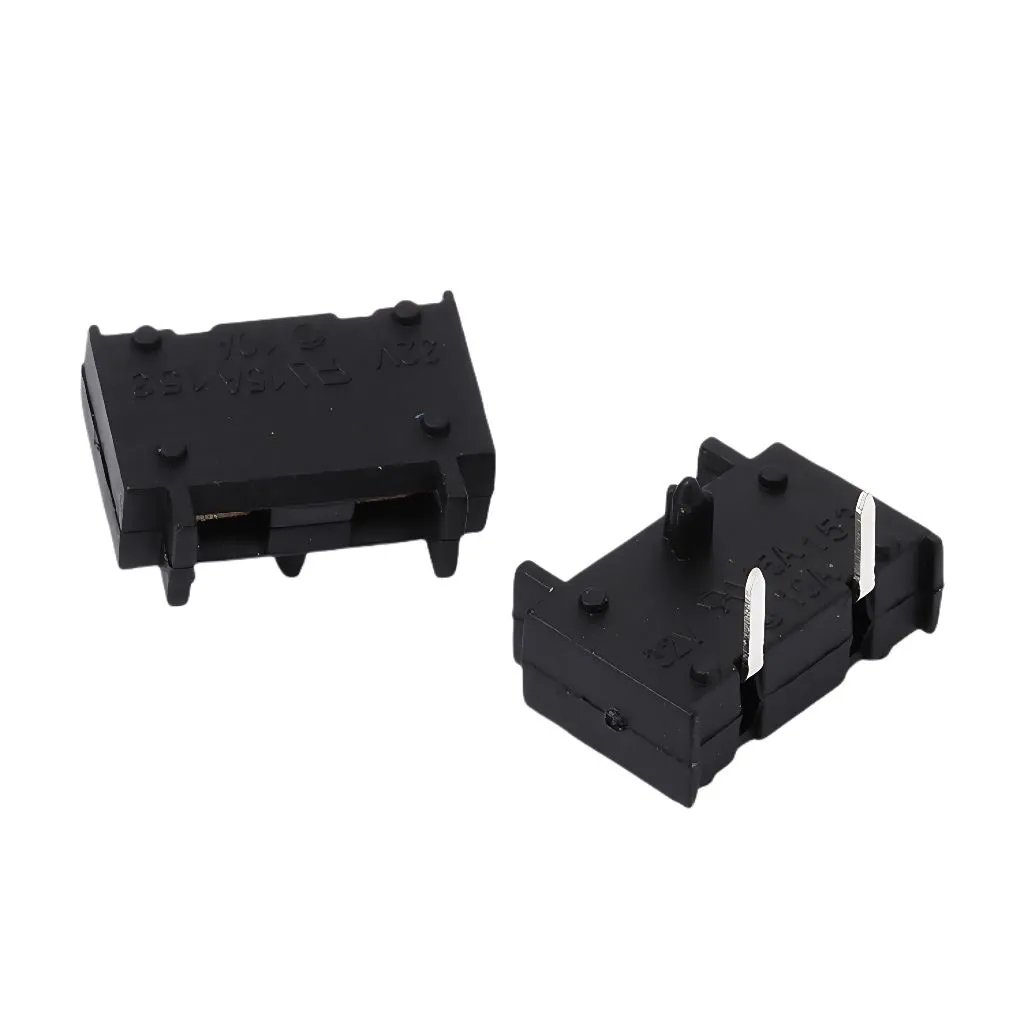
It looks impossible. The protective device is the part designed to sacrifice itself, yet in a melted holder the device sits there intact while the plastic around it has deformed. If the current was high enough to destroy the holder, why was it not high enough to open the device?
+
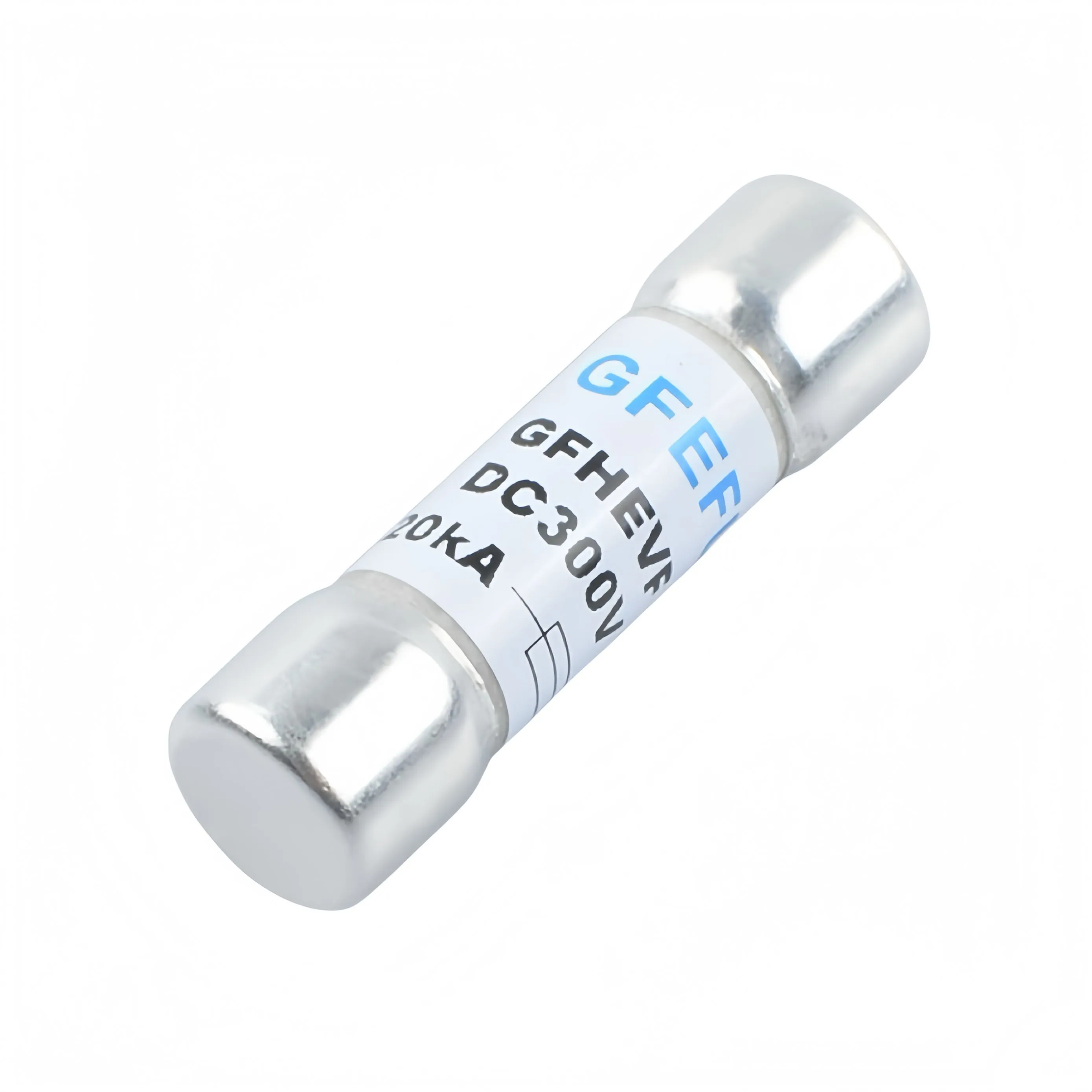
The most common specification error we see is not the current rating. It is someone matching the voltage rating of a DC fuse to the nominal system voltage and calling it done. On AC, that habit is mostly harmless. On DC, it is the difference between a device that clears and a device that becomes a heater.
+
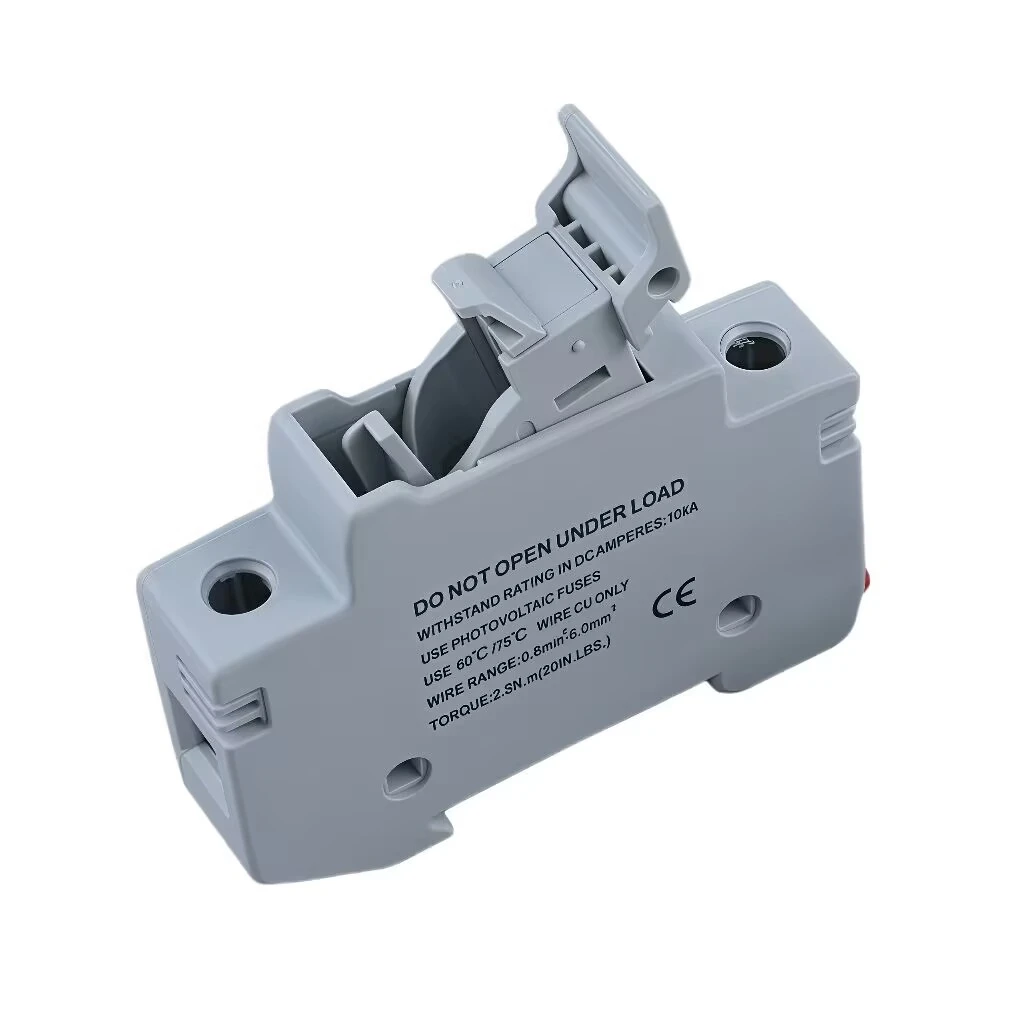
Outdoor DC enclosures fail from the environment far more often than they fail electrically. Water finds a cable gland that was never properly seated. Ultraviolet radiation chalks a holder body until it cracks. Condensation forms inside a sealed box every night for a year and quietly corrodes every terminal in it.
+
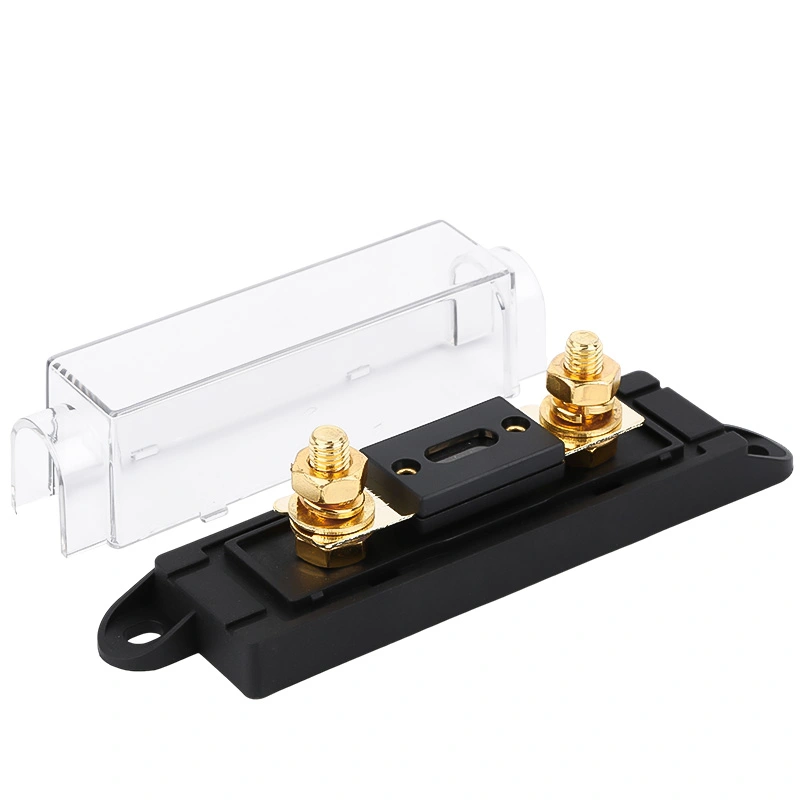
Wiring a DC fuse holder looks like the simplest job on the panel: two terminals, two cables, tighten and go. It is also where a surprising number of commissioning problems originate, because in DC the questions that matter — which side is the supply, which side is the load, and what the manufacturer's marking actually means — have consequences that do not exist on the AC side.
+
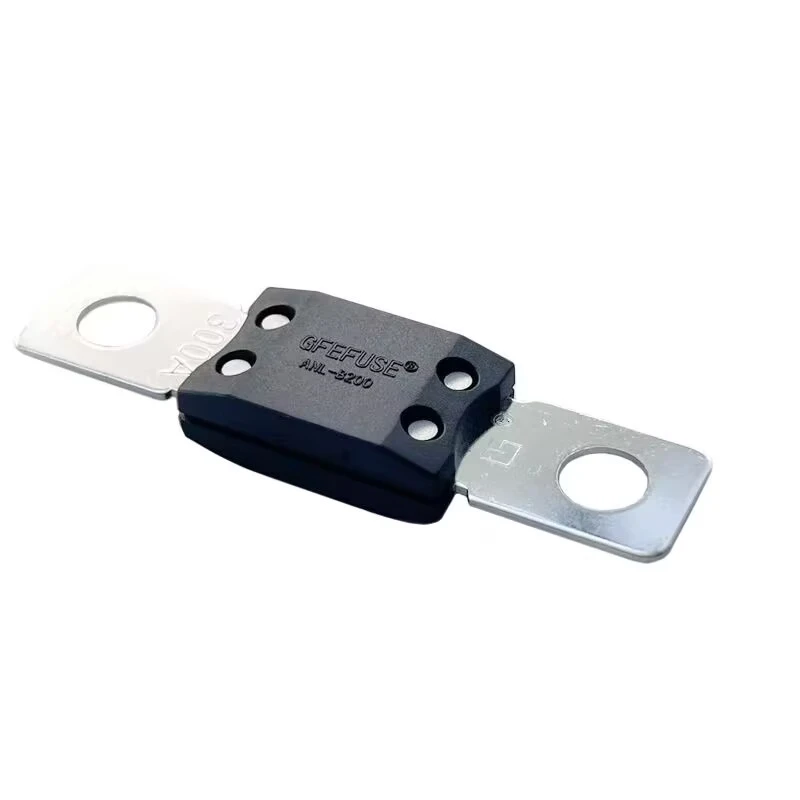
A bolt down fuse is one of the few protective devices whose performance depends on how well somebody with a spanner did their job. The same device, in the same circuit, can run cool for fifteen years or cook itself in eighteen months, and the difference is usually nothing more than the torque on two nuts and the condition of the surfaces underneath them.
+
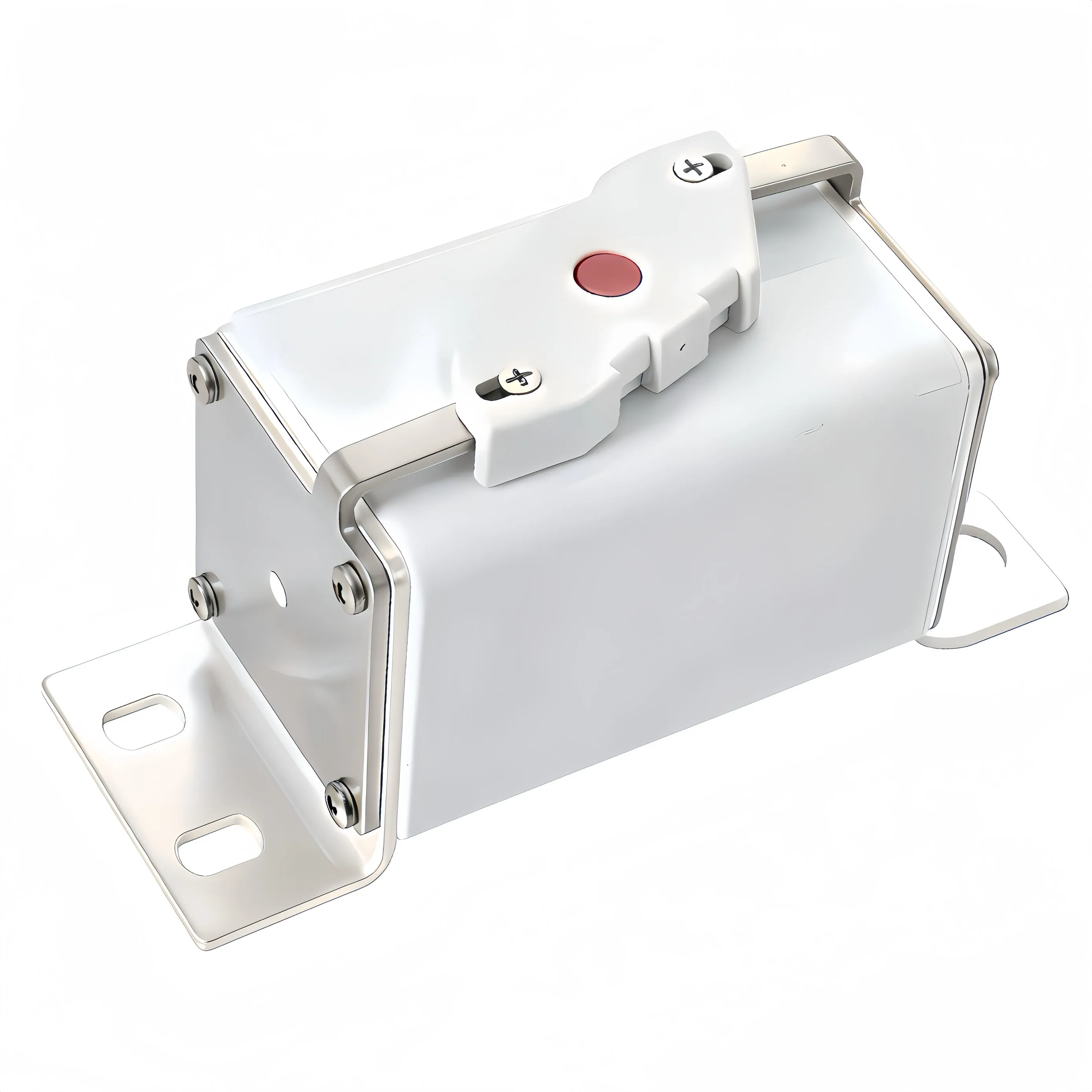
Sizing an energy storage fuse for a 1500 V battery rack looks like a five-minute job until you read the fault current. A lithium rack does not ramp up to its short-circuit value the way a generator does — the current is available the instant a contactor welds or a cable gets crushed during service.
+
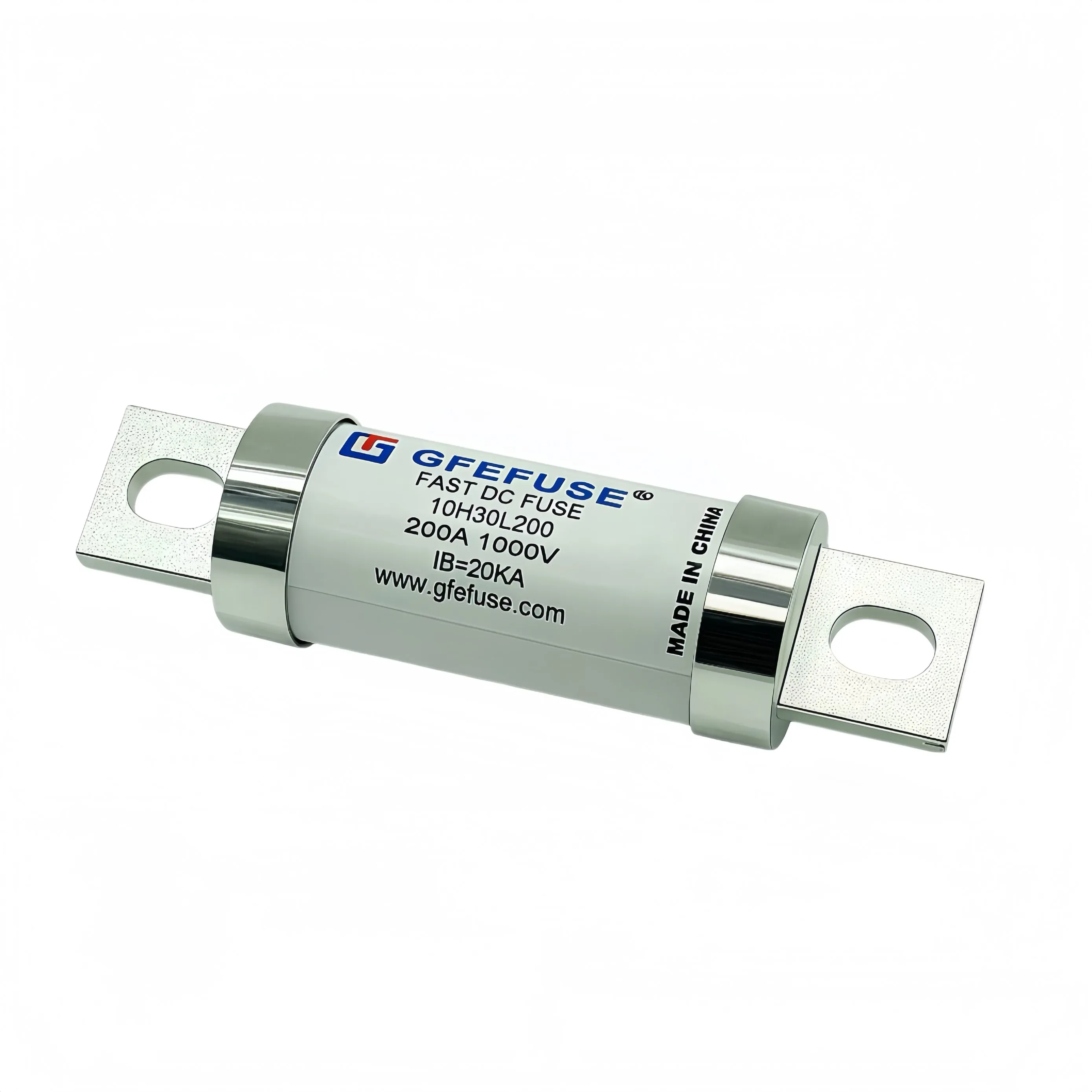
Every blade type fuse carries two independent statements of its rating: the colour of the plastic body and the number moulded into the top. They should agree. When they do not, or when one of them is missing or faded, people guess — and guessing is how a 10 A circuit ends up protected at 30 A.
+
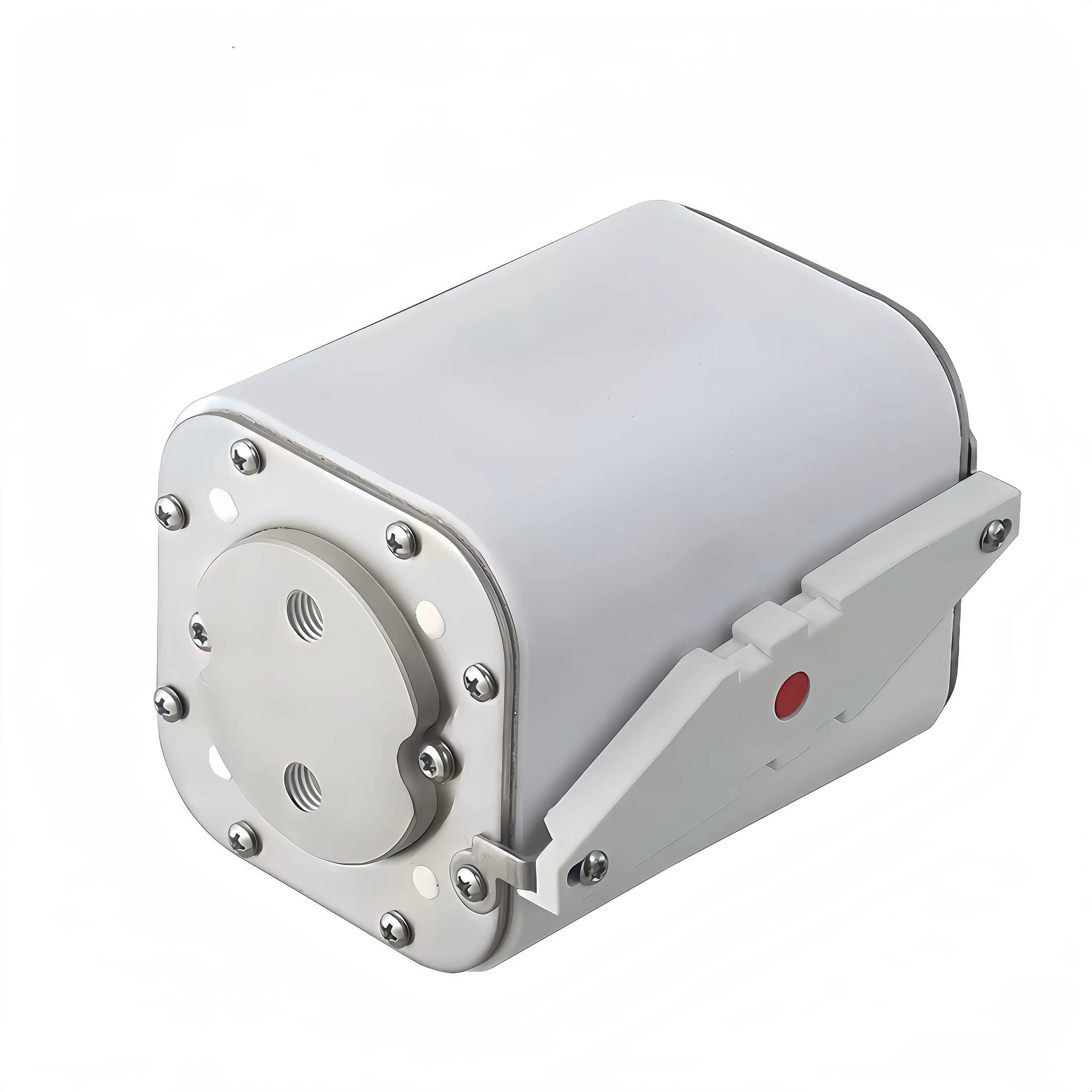
The time-current curve is the most useful sheet of paper in a high speed fuse datasheet, and the one most often skipped. Buyers look at rated current, glance at voltage, and move on. Then a drive trips, a diode fails, and nobody can explain why a device that was supposed to be fast took several milliseconds to clear.
+
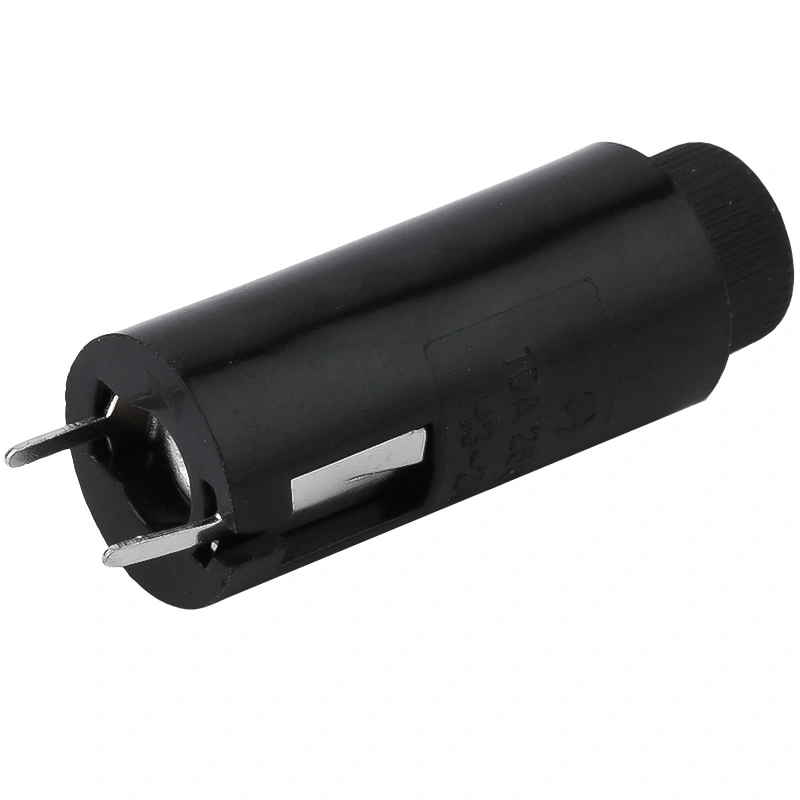
On a low-voltage control board, the placement of a PCB mount fuse holder is mostly a question of convenience: put it near the power input, keep the traces short, done. On a board that carries mains or high-voltage DC, placement becomes a safety decision, and the distance between two pieces of copper matters more than the routing elegance.
+
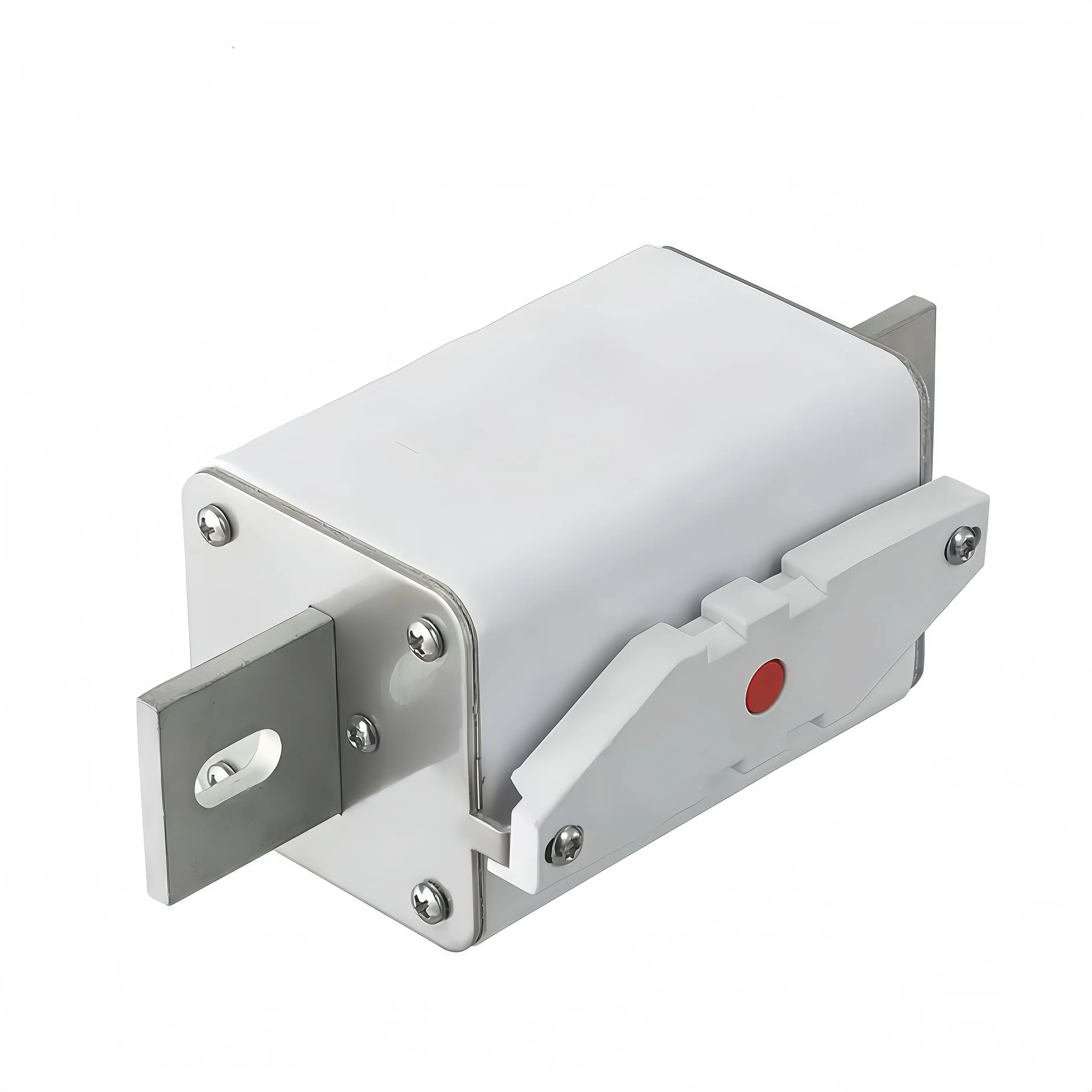
Solar protection is selected from two numbers printed on the module label, and those two numbers are almost always the wrong ones to start from. Installers reach for the nameplate power or the maximum power current, and the resulting PV fuse is either undersized and nuisance-blowing on the first hot week, or oversized and doing nothing when a string fault actually occurs.
+
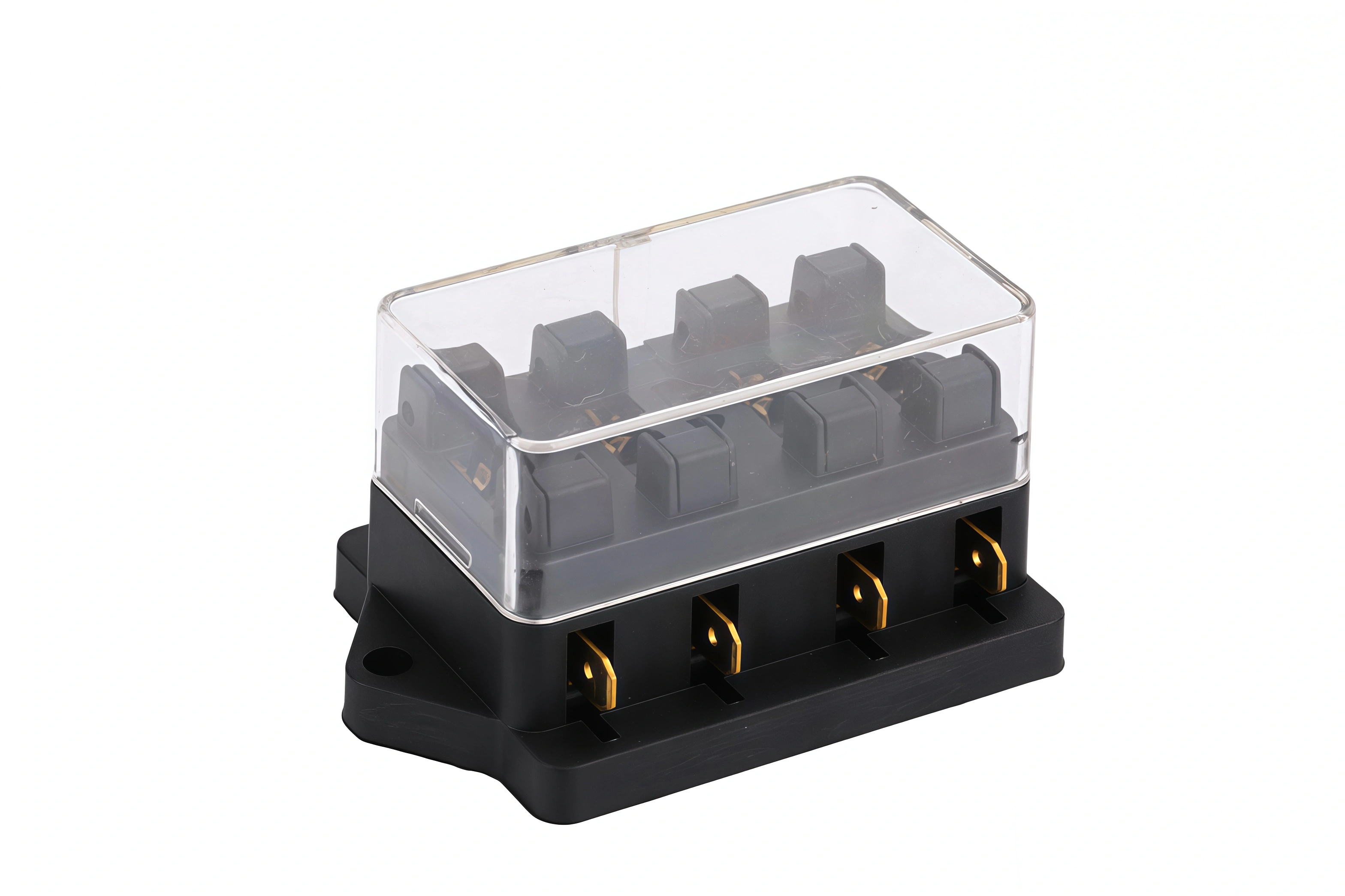
In a vehicle or any mobile equipment, a blade fuse holder is subject to continuous mechanical input for its entire service life. Engine vibration, road input, and harness movement all arrive at a contact that depends on spring force to do its job.
+
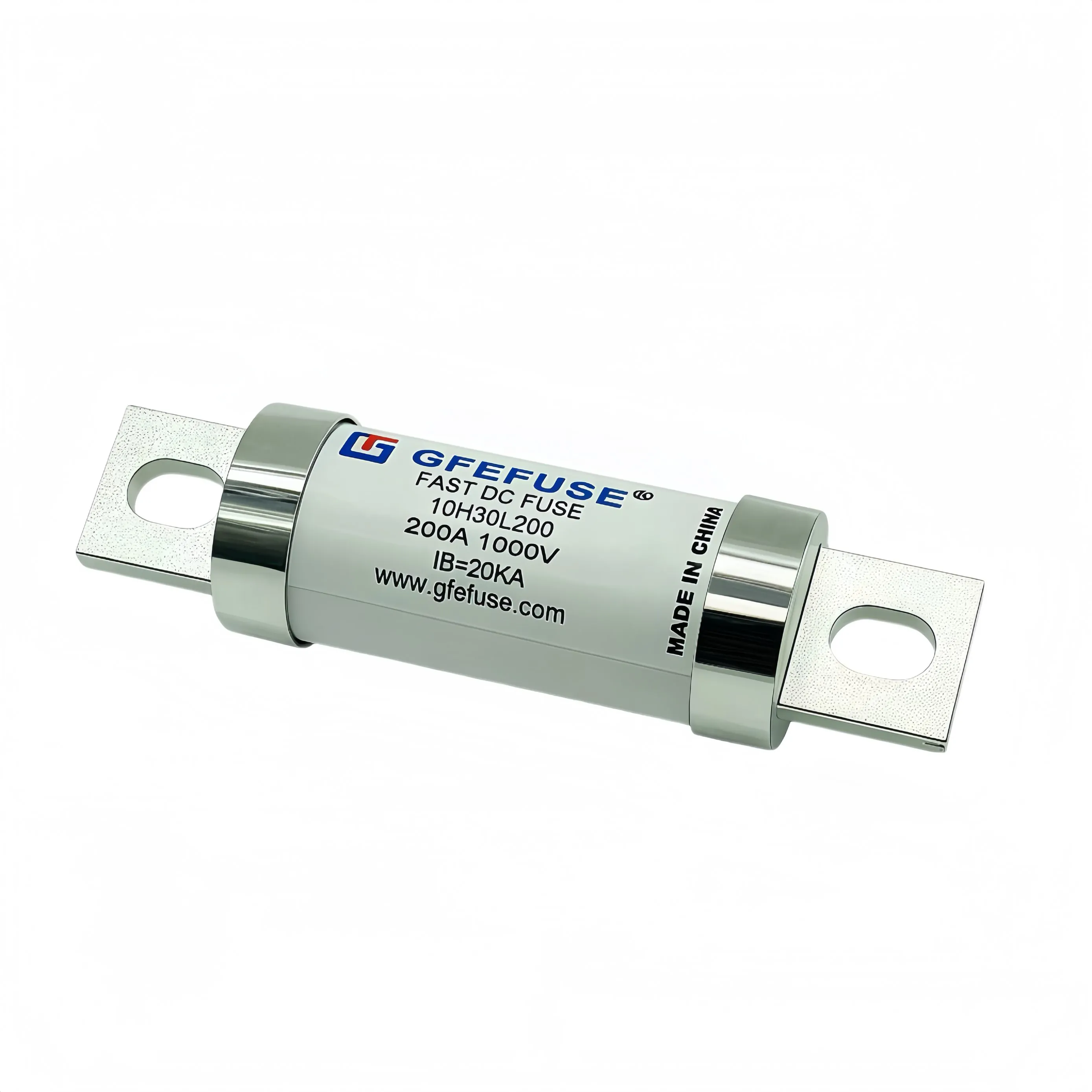
There are two ways to get vehicle high-voltage protection wrong. The first is a fuse that opens on a transient the contactor should have handled, leaving a driver stranded for a part that costs very little. The second is a contactor that tries to interrupt current beyond its capability, welds closed, and turns a manageable fault into a serious one.
+
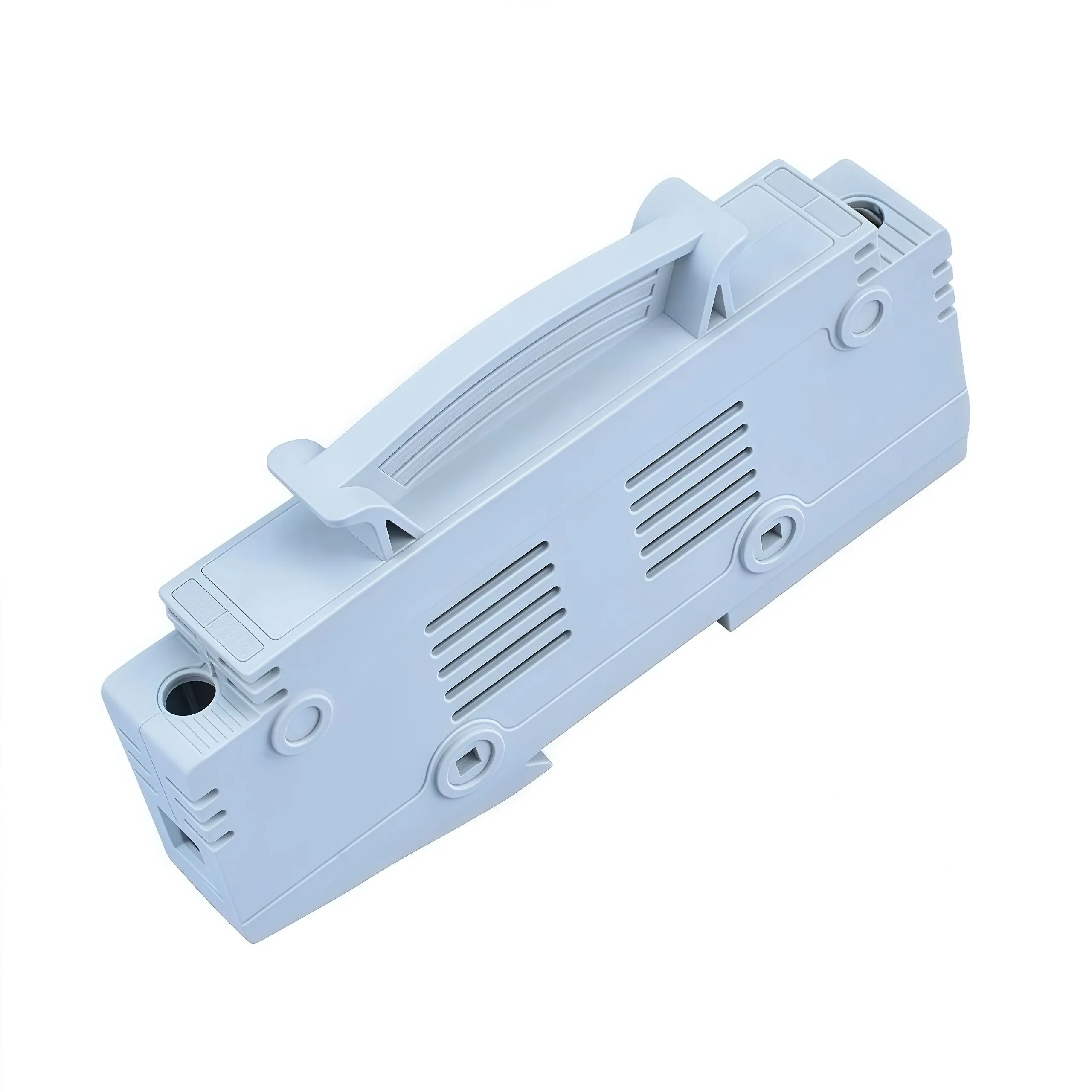
In the rapidly evolving landscape of renewable energy and electric mobility, the demand for robust circuit protection has never been higher. Identifying a competent industrial dc fuse holder supplier is a critical step for engineers and procurement specialists who are tasked with ensuring the safety and longevity of high-power systems.
+
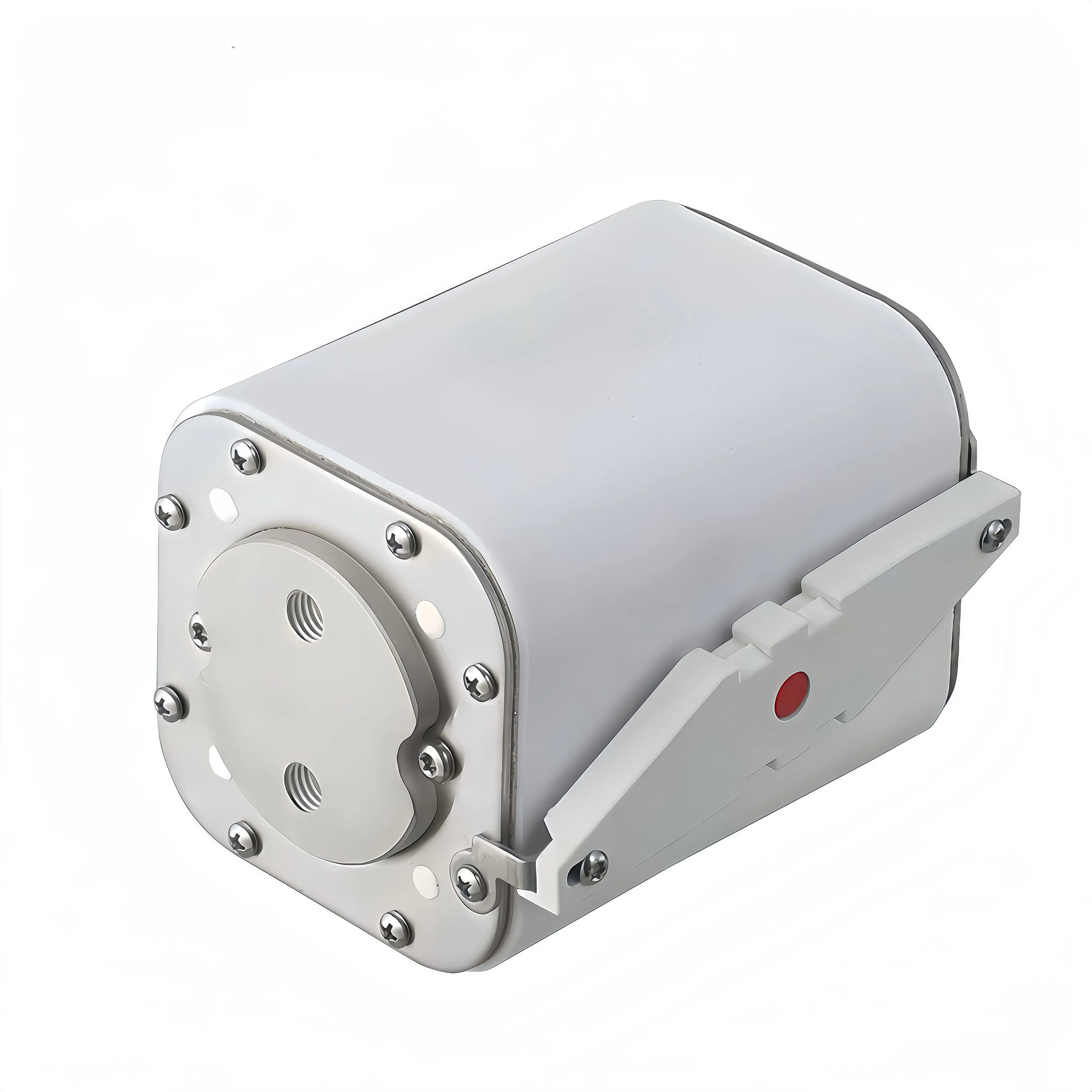
A comprehensive technical guide on choosing the right circuit protection for modern energy storage systems and power conversion units.
+
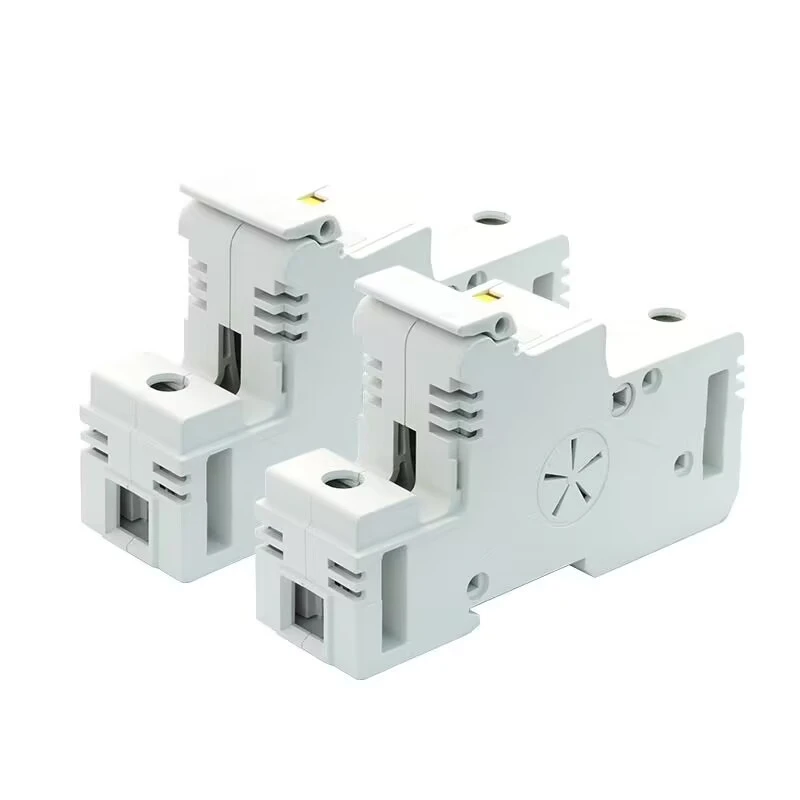
Comprehensive guide to selecting a high-performance oem dc fuse holder supplier for modern renewable energy and industrial applications.
+
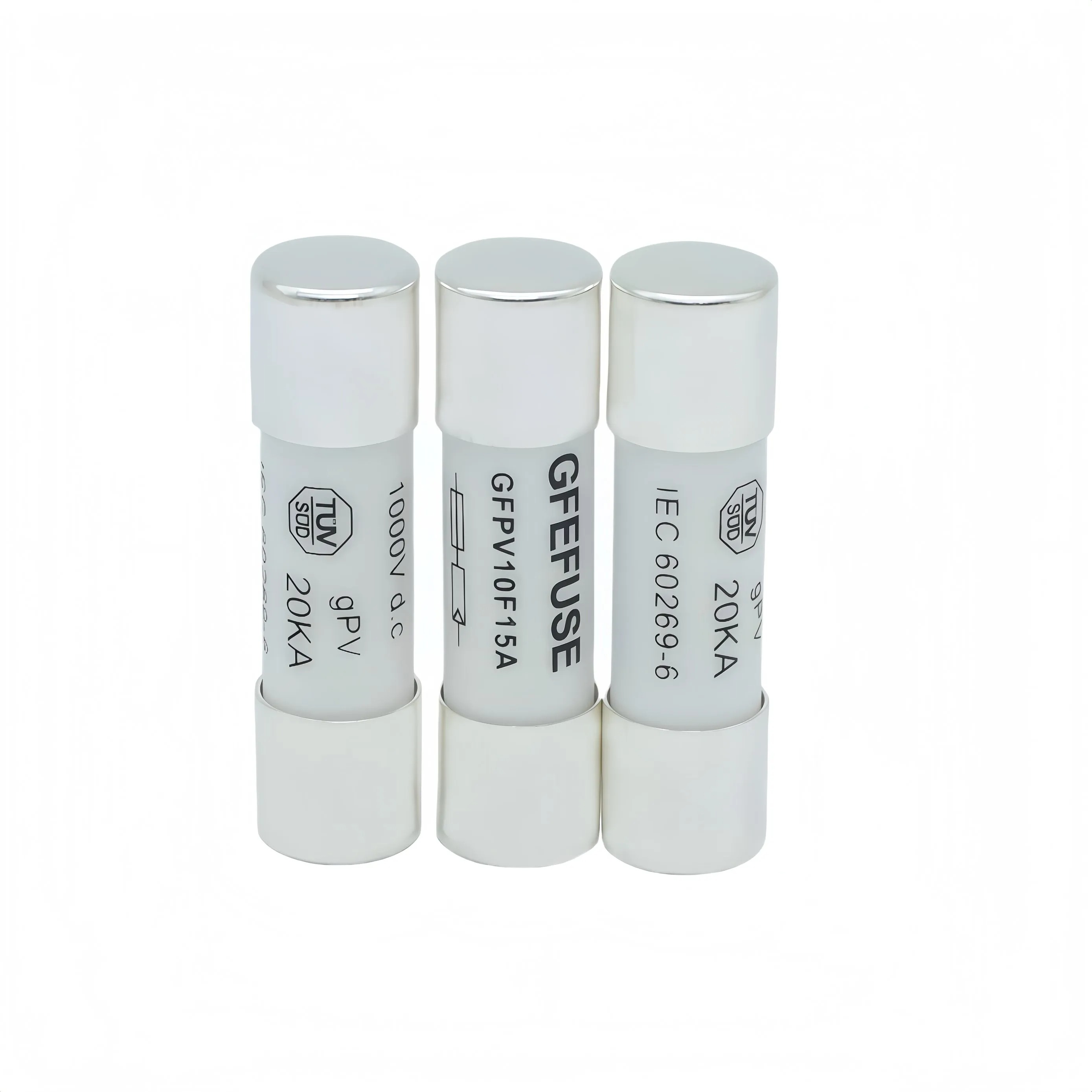
A comprehensive technical guide for photovoltaic system integrators and brands seeking professional circuit protection solutions through strategic OEM partnerships.
+
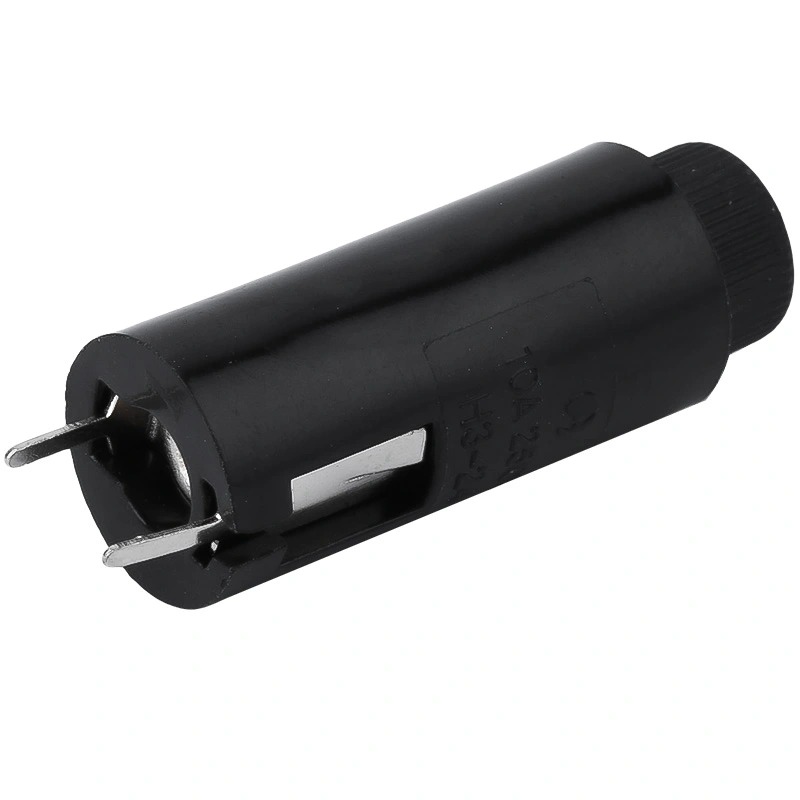
In the complex landscape of modern electronics manufacturing, selecting the right components is not merely a matter of technical compatibility but a cornerstone of long-term product reliability. Among these critical components, the fuse holder serves as a primary line of defense.
+
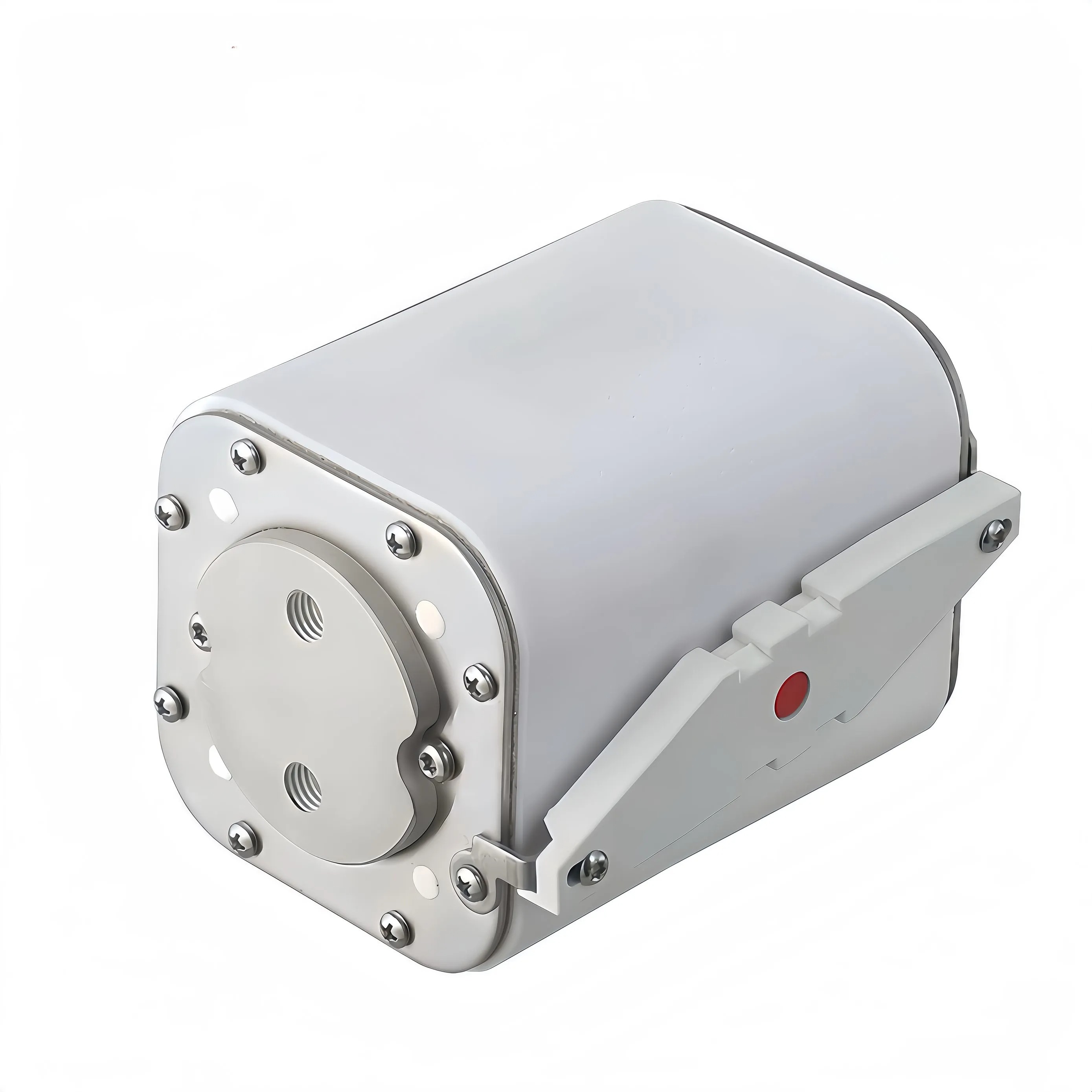
A comprehensive guide to sourcing reliable circuit protection for modern battery energy storage systems.
+
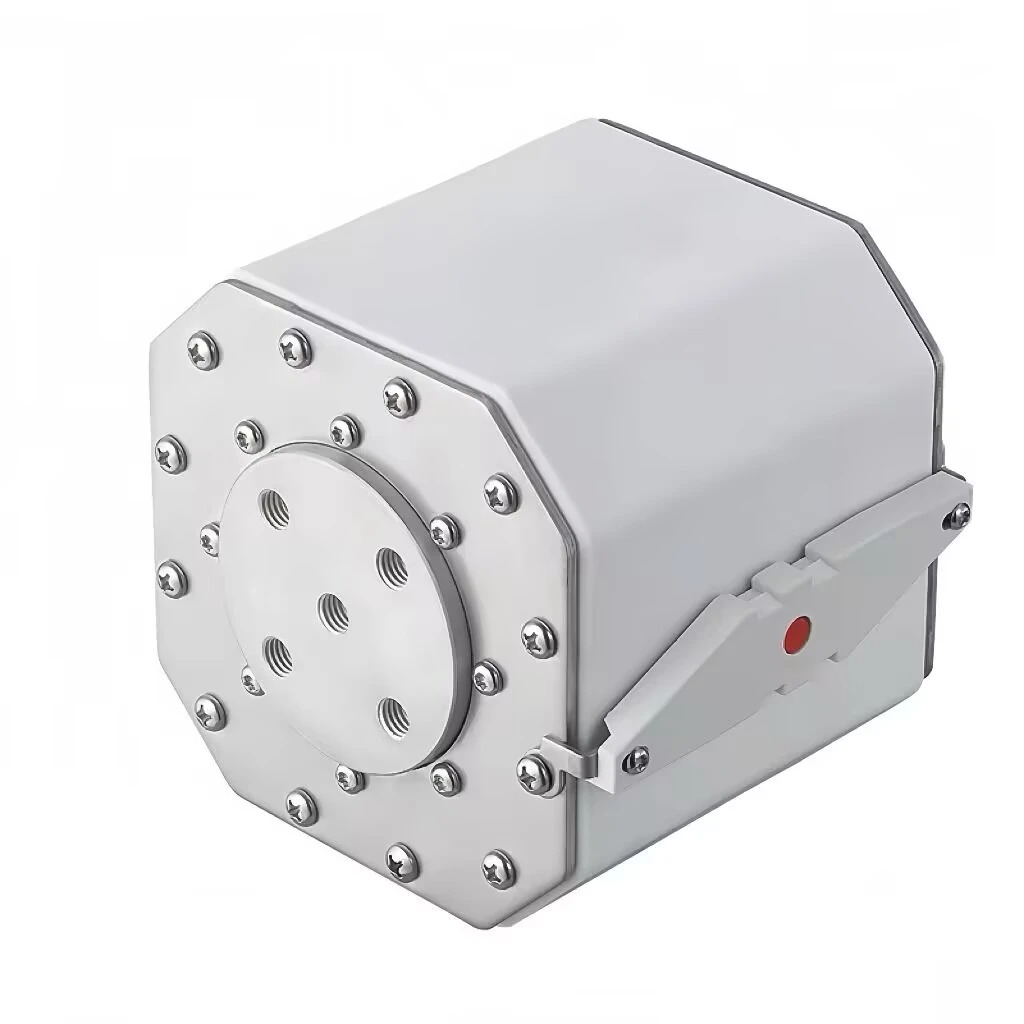
Comprehensive technical analysis and strategic selection criteria for modern Energy Storage Systems (ESS) protection.
+
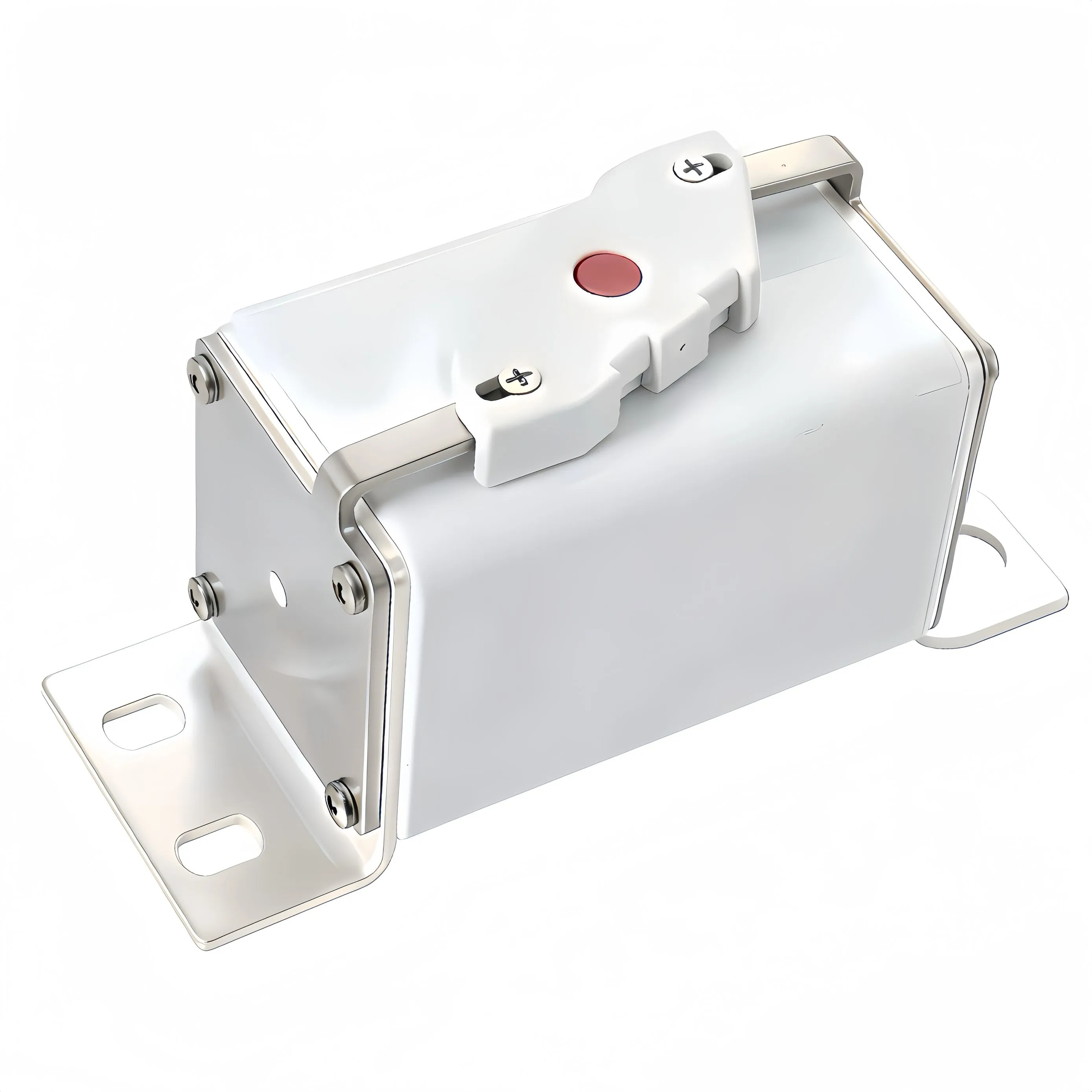
A comprehensive guide to identifying the right technical partner for high-voltage circuit protection in modern energy storage systems.
+
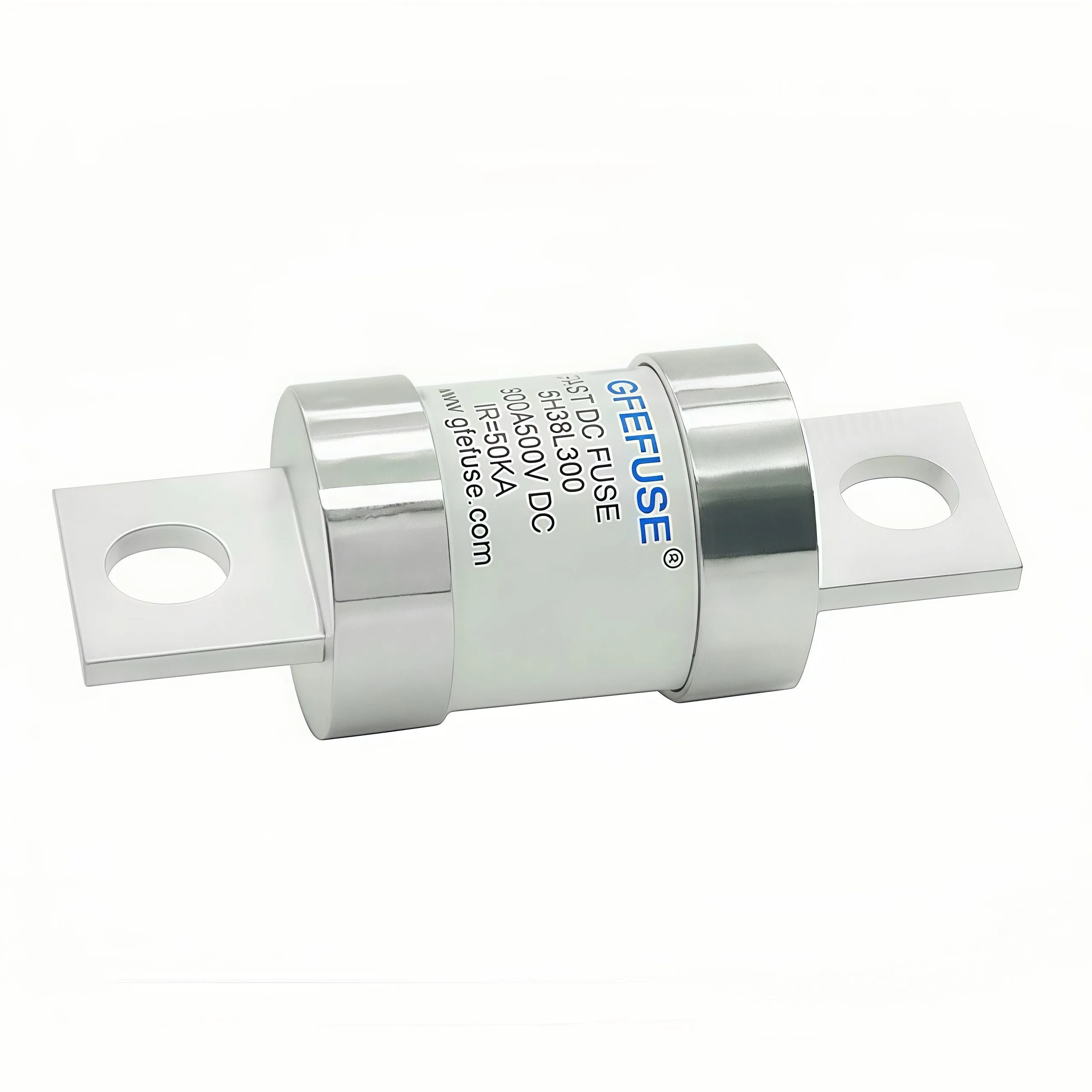
A comprehensive technical overview for procurement specialists and engineers in the automotive industry.
+
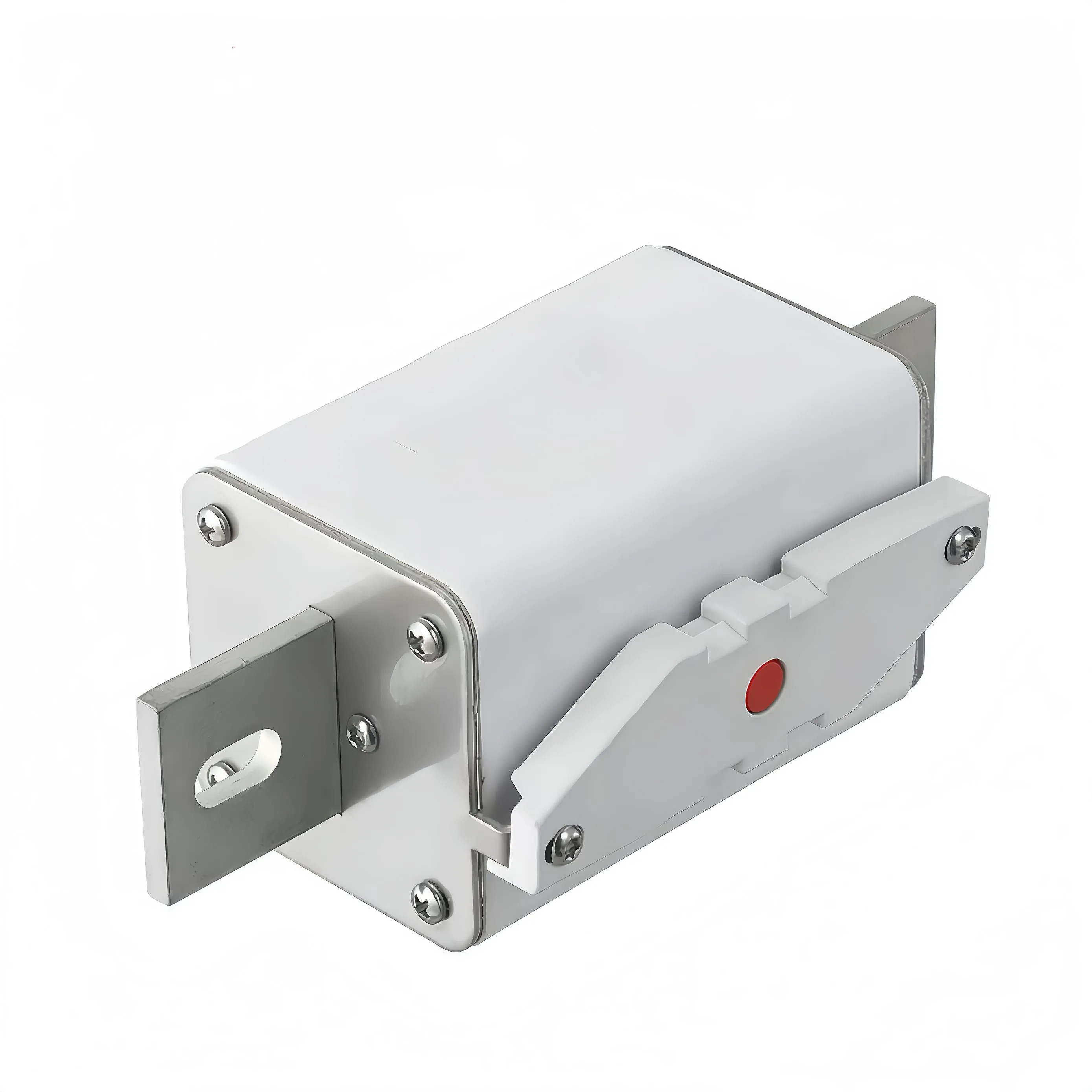
A comprehensive guide to sourcing high-performance circuit protection for modern photovoltaic systems.
+
.jpg?imageMogr2/crop/383x354/gravity/center/format/webp)